Quality artificial turf installed over a proper base carries a service life measured in more than a decade. Keeping it there isn't hard — it's a short list of habits plus the install quality underneath.
The honest lifespan range
For residential installs with quality materials, a reasonable planning range is roughly 8 to 15 years — the exact figure depends on sun exposure, foot traffic, pets, and above all the base and drainage under it. High-traffic backyards with heavy use sit toward the lower end of that range; lightly used decorative front yards sit toward the higher end. UV-stabilized yarns hold color through South Florida sun, which is the failure mode most buyers picture first.
The maintenance that actually shows up in a calendar
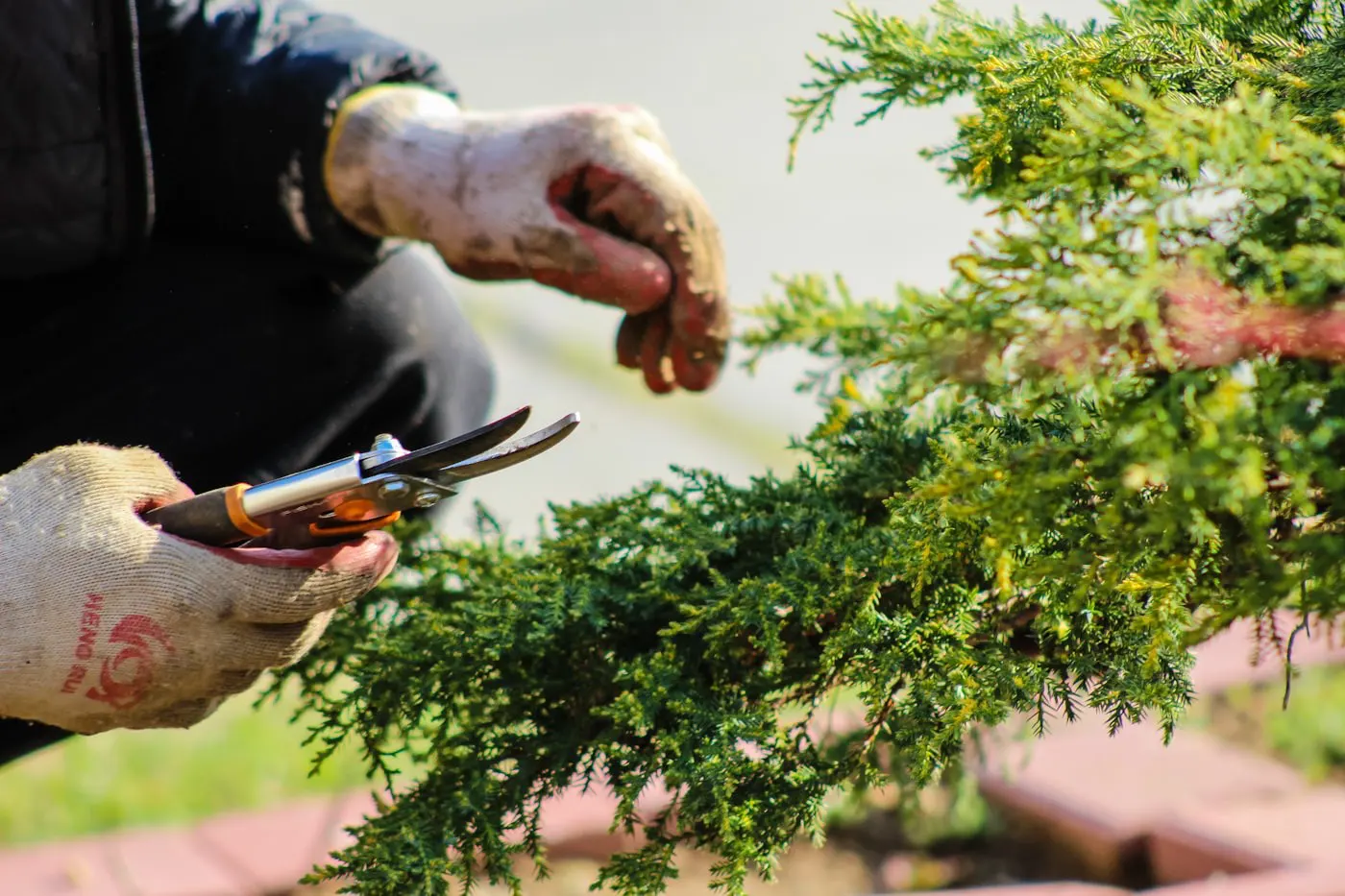
Real turf care for a homeowner is four things:
- A rinse. Hose the surface down when it needs it — after pet visits, dusty weeks, or pool overflow. Minutes.
- A brush. Brush the pile against the grain in the lanes that get walked daily so fibers stand back up.
- An infill check. Every year or two, top up infill in the high-traffic zones — this is what keeps the surface even.
- A once-a-season deep groom. For pets and kids, an extra-thorough pass with the brush and a rinse keeps everything fresh.
There's no mowing, edging, reseeding, fertilizer calendar, or "watch your grass turn brown for two months" season. The watering conversation is just a hose.
How to judge a surface's age honestly
Wear shows predictable places before it shows everywhere: the lanes between the back door and the dog's spot, the pivot point where kids round the swing, and any line that carries foot traffic daily. A well-maintained surface hides its age in those lanes because the groom-and-top-up routine resets them. A neglected install shows its age first — flattening there, slight color dulling there. That's why the maintenance list above matters long before year ten.
What shortens the life of a turf install
Three things, and they're all avoidable:
- A rushed base. Compaction and grading shortcuts show up as dips and drainage problems within a couple of years — the single most common failure we see in workmanship.
- Hot objects. Grills, fire features, and dropped cigarette-butts melt fibers. Turf stands up to sun but not to direct heat sources.
- Neglect in pet zones. Pet areas without a rinse routine age fast. With the routine, they hold up like everything else.
What that means for the quote conversation
Ask installers what infill they're specifying, how the base will be graded for drainage, and what the maintenance plan looks like for your yard specifically. The answers separate a system-built install from a roll-out. A project quoted the right way should read like the surface, base, drainage and care plan were decided as one thing — because that's what lets a turf yard stay a good-looking yard for a decade or more.